EELAP is picking up speed!
The Enriching European Landscapes with Agroecological Practices (EELAP) project is officially in high gear! As a flagship initiative under the first co-funded Agroecology Partnership call, EELAP is dedicated to integrating agroforestry into European landscapes to drive a sustainable, resilient agricultural future.
From kick-off to the field
Since our official launch last May, the EELAP team hasn’t wasted any time. In August, partners gathered in Western Germany for a hands-on look at our first Living Lab farms Wurzeln und Hörner and Familienhof Große-Kleimann.
. Seeing these practices in action provided a vital spark for the collaborative work ahead, bridging the gap between theoretical modeling and muddy-boots reality.
EELAP isn’t just about planting trees, it’s about systemic change. With the help of five living labs are we are currently exploring the intersection of:
- Policy & business models: analysing existing policy support and challenges and identifying the existing economic and legal pathways for farmers.
- Biophysical modeling: using data to predict the development of agroforestry systems on the farm level while taking into account environmental indicators
- Agroecology indicators: analysing the existing agroecology indicators for the future use in the project
- Practical implementation: looking into agroforestry practices and relating to agroecology principles on the ground.
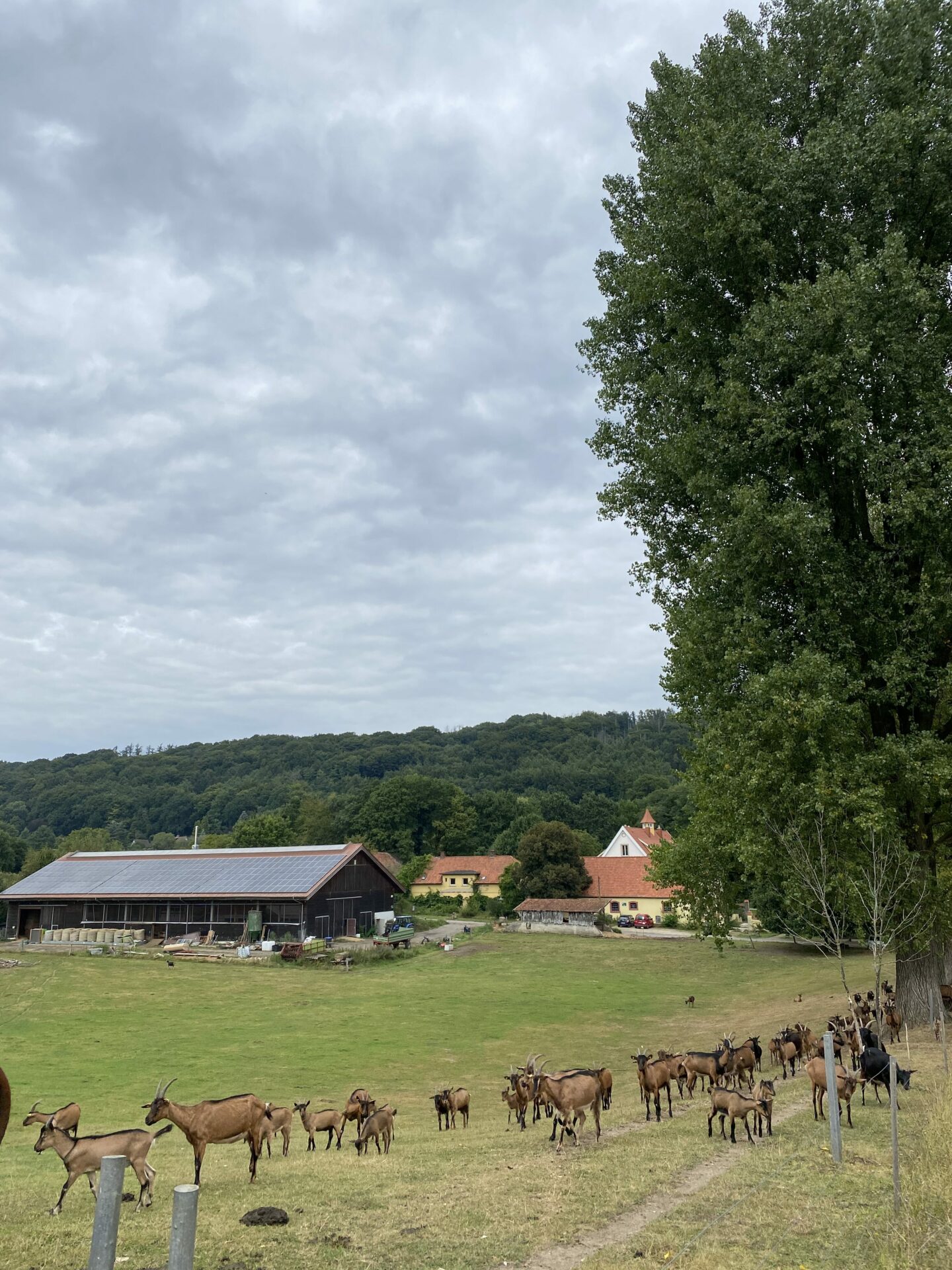
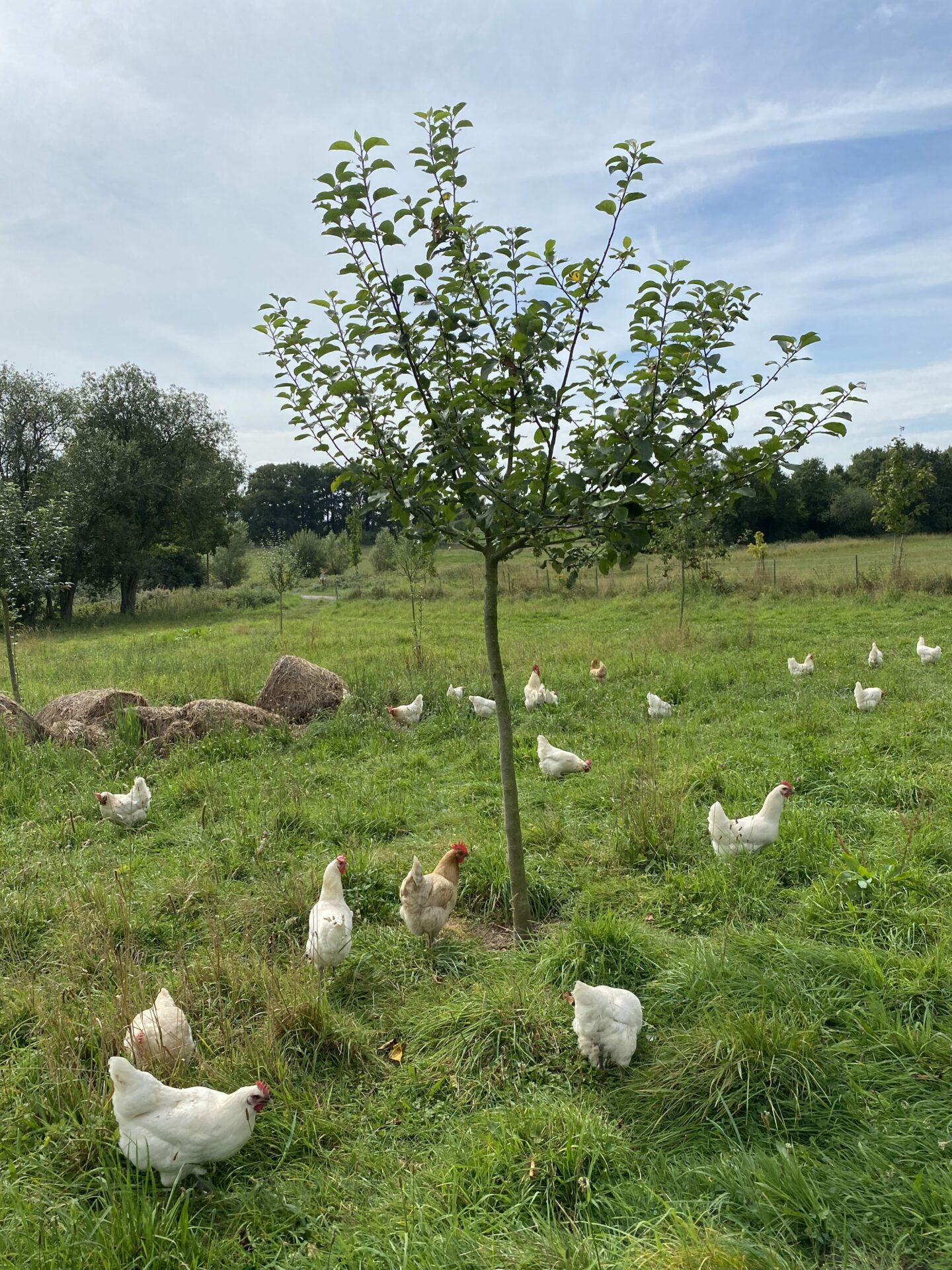
Wurzeln und Hörner farm. Visit farm’s website here.
Regional updates: living labs in action
Slovakia: high interest and high hopes in the first Living Lab event in Slovakia saw an incredible turnout. An active multi-stakeholder LL community was created during a three-day event AGROLESFEST (Agroforestry-Festival) where over 40 participants dove deep into the benefits of agroforestry within agroecology. Defining stakeholder´s’ needs and priorities for supporting agroforestry solutions were the focal point of the event, including a discussion and group work on effective legislative settings. The message from participants was clear: ,,We are ready and want to actively participate in creation of systemic support mechanisms for agroforestry.”
Germany: In “Lusatia,” one of the EELAP’s Living Labs, DeFAF is working at various levels to develop solutions for the better practical implementation of agroforestry. This work covers topics such as value creation and business models, as well as potential adjustments to legal frameworks and regional planning. In recent weeks, Dr. Rico Hübner, coordinator of the Lusatia LL, addressed these topics at several events with regional stakeholders. Meanwhile, Julia Günzel connected the EELAP network to established interest groups within the second German LL, “Northern North Rhine-Westphalia.” The initial focus of events at these LL farms was the development and successful marketing of agroforestry products. Maps of regional farms, recent developments, and features of all DeFAF activities are continuously updated on the German EELAP website.
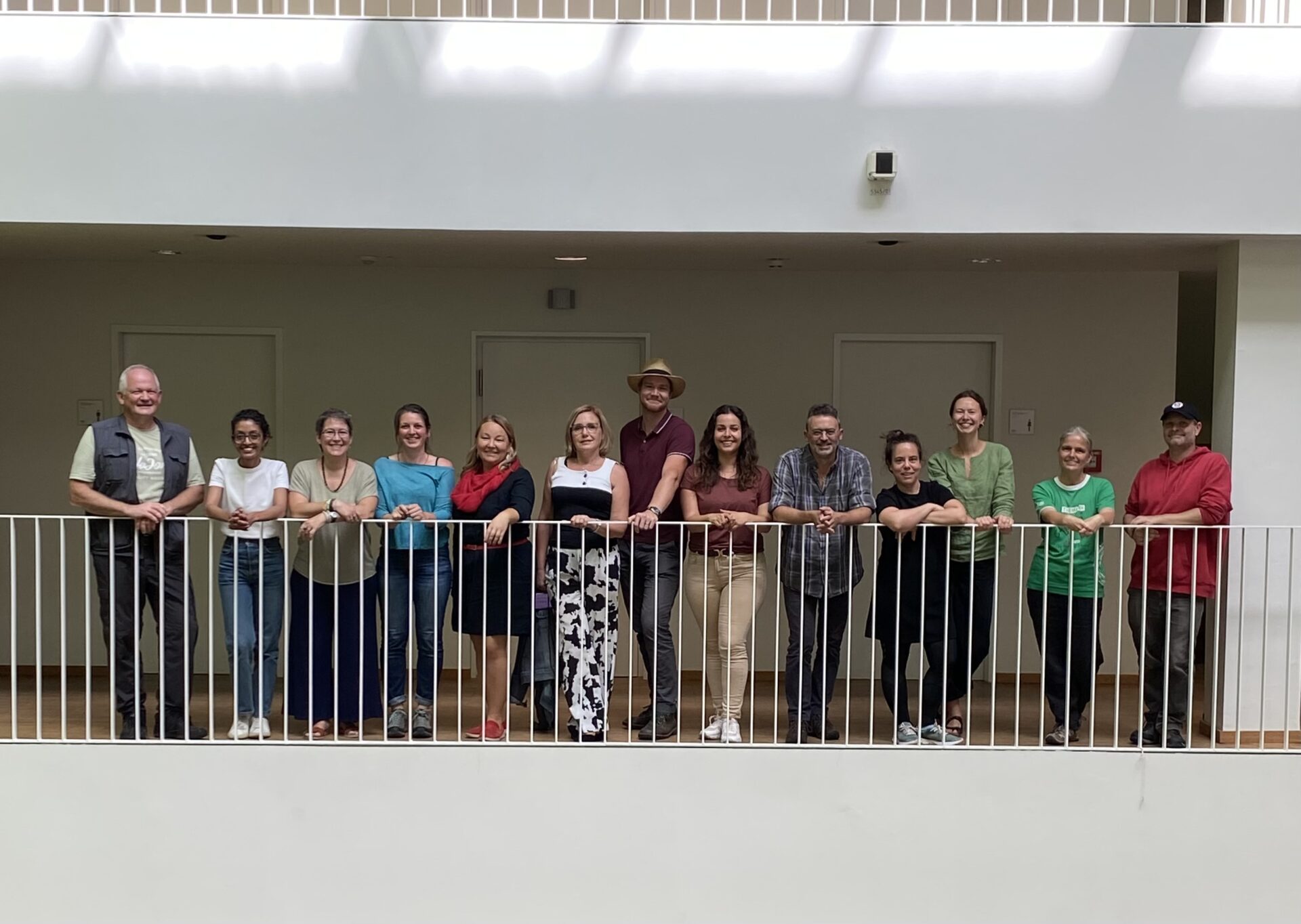
EELAP Consortium
Hungary: The Annual Conference of the Hungarian Permaculture Organization (MAPER) took place last weekend (January 23–24) with over 350 participants in attendance. The EELAP project was featured during the “Our International Research” segment of the program. All Hungarian Living Lab (LL) partners were invited, with whom a follow-up Agroforestry – EELAP LL workshop on January 25th was organised as an extension of the conference. The workshop focused on establishing a common understanding of agroforestry concepts and exploring the mutual values inherent in a Living Lab structure.
Slovenia: We are pleased to share that the Slovenia Living Lab was officially launched this month. The event took place at the Lipica Stud Farm, a historic site known for its long tradition of grazing horses in its characteristic silvopasture landscape. It brought together farmers, foresters, researchers, advisors, and representatives from local natural parks. As several participants highlighted, Slovenia’s landscapes are very mosaic-like, so a single, uniform prescription simply doesn’t work, requiring a great deal of cooperation and knowledge integration between sectors. Effective agroecological practices have to be shaped farm‑by‑farm and region‑by‑region, allowing land managers to combine several of them into a context-specific “cocktail”.
Ireland: To get the two Living Labs up and running, a mapping process was carried out to identify everyone involved in the region—from local farmers to regional policymakers. A survey was then designed to pinpoint where more information or support is needed regarding agroforestry. This survey was developed by the research team and reviewed by social science experts to ensure the questions were on point. On Thursday, January 22, the survey was pilot-tested with a group of farmers, advisors, and researchers. The feedback from this session is being used to fine-tune the process before it is rolled out to the wider Living Lab community.
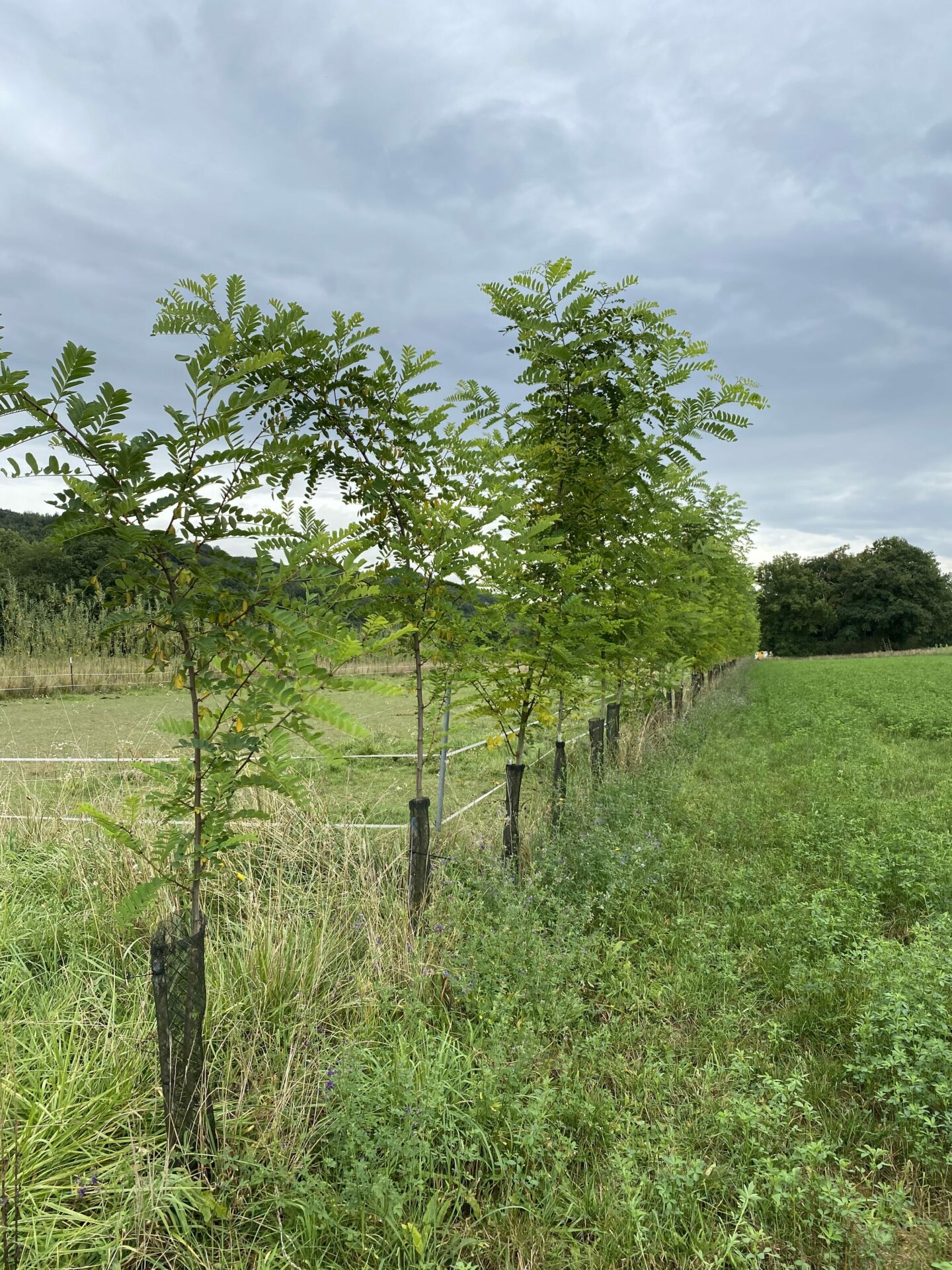
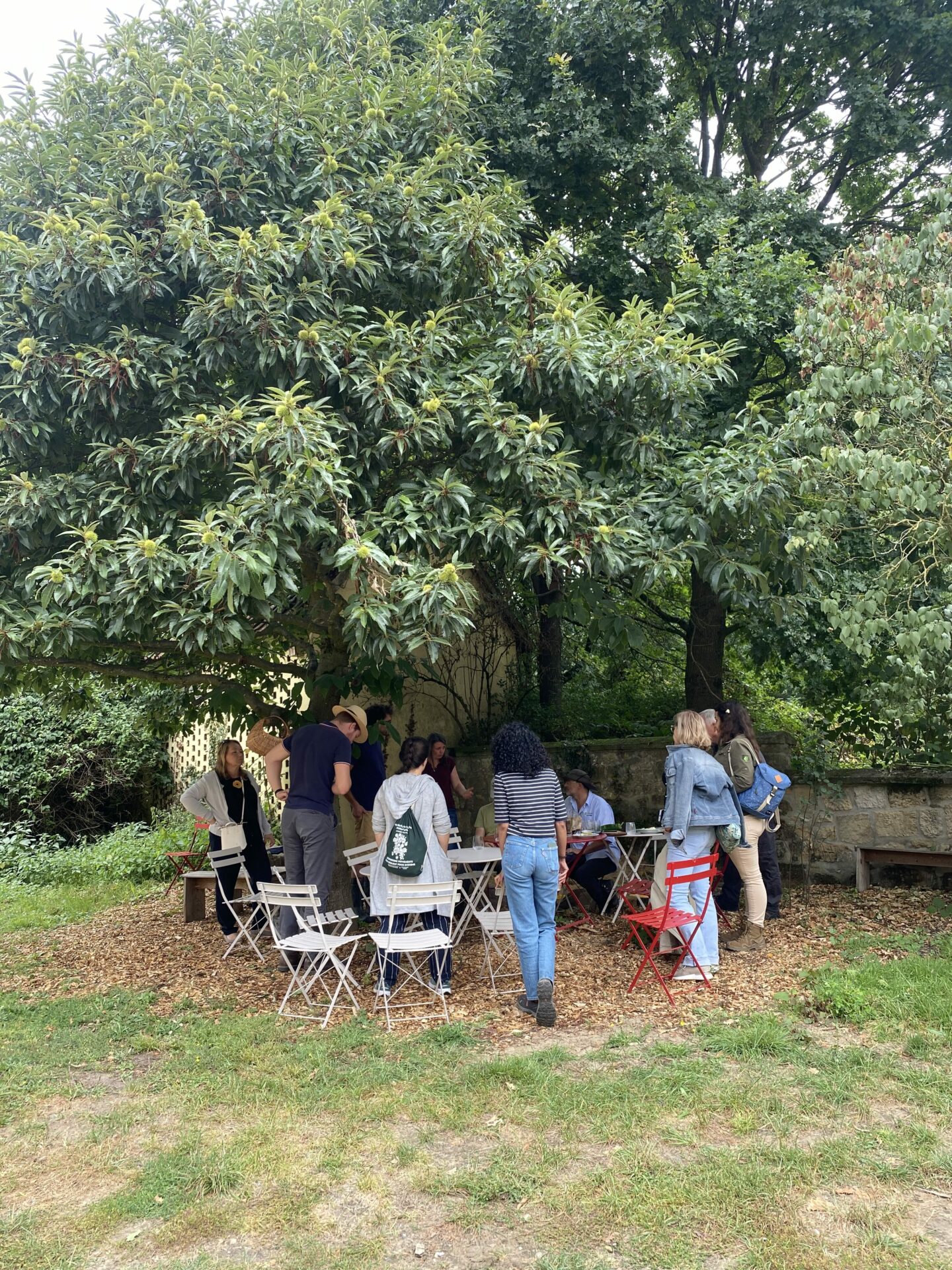
Wurzeln und Hörner farm. Visit farm’s website here.
What’s Next?
EELAP is just getting started. As our Living Labs ramp up their activities, we will continue to share insights, data, and stories from the field. Stay tuned—the transition to a greener European landscape is accelerating!