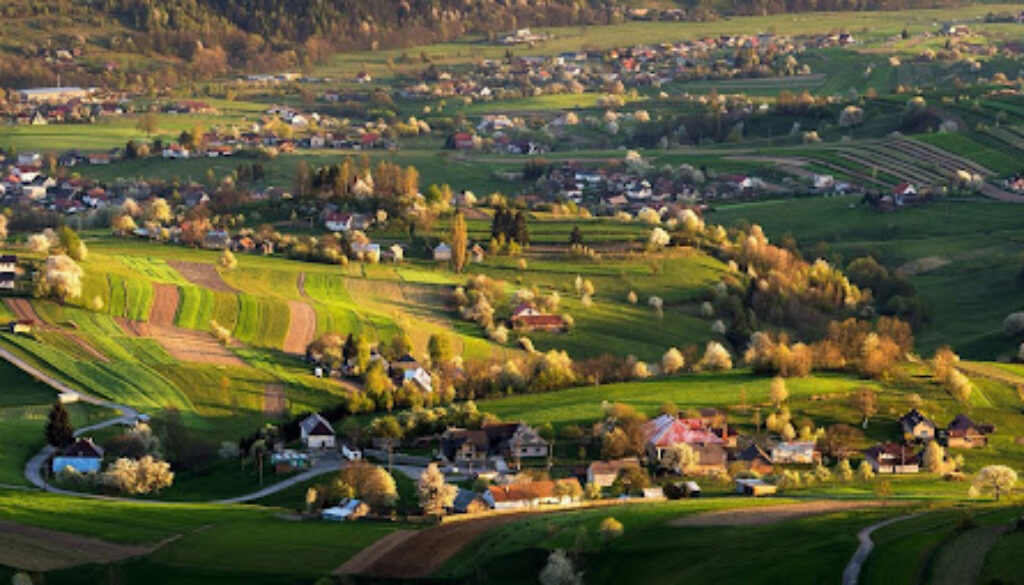
Slovakia
Agroforesrty in Slovakia
Agroforestry in Slovakia is no longer just a promising idea discussed by a small circle of enthusiasts. In just a few years, it has grown into a visible movement that connects farmers, researchers, advisors, municipalities and civil society around one simple principle: trees belong in productive landscapes.
For a long time, agroforestry in Slovakia existed mostly in practice, memory and fragments of traditional land use. You could still find it in orchard meadows, wooded pastures, vineyard landscapes or on small family farms where trees, crops and animals naturally coexisted. But as a modern farming approach, it remained largely outside mainstream policy, advisory systems and public debate.
That has changed quickly. Since the CAP Strategic Plan 2023–2027, Slovakia has had dedicated support for the establishment and maintenance of agroforestry systems, and agroforestry has gained much stronger visibility in both professional and public discussions. Recent legal and policy work has also helped move the topic from the margins toward formal recognition.
What makes the Slovak story especially interesting is that this change did not happen only “from above.” It has also been built from the ground up: through field events, stakeholder dialogue, practical experimentation and a growing community that sees agroforestry as part of a healthier and more resilient rural future.
From forgotten tradition to living practice
In Slovakia, agroforestry is both old and new.
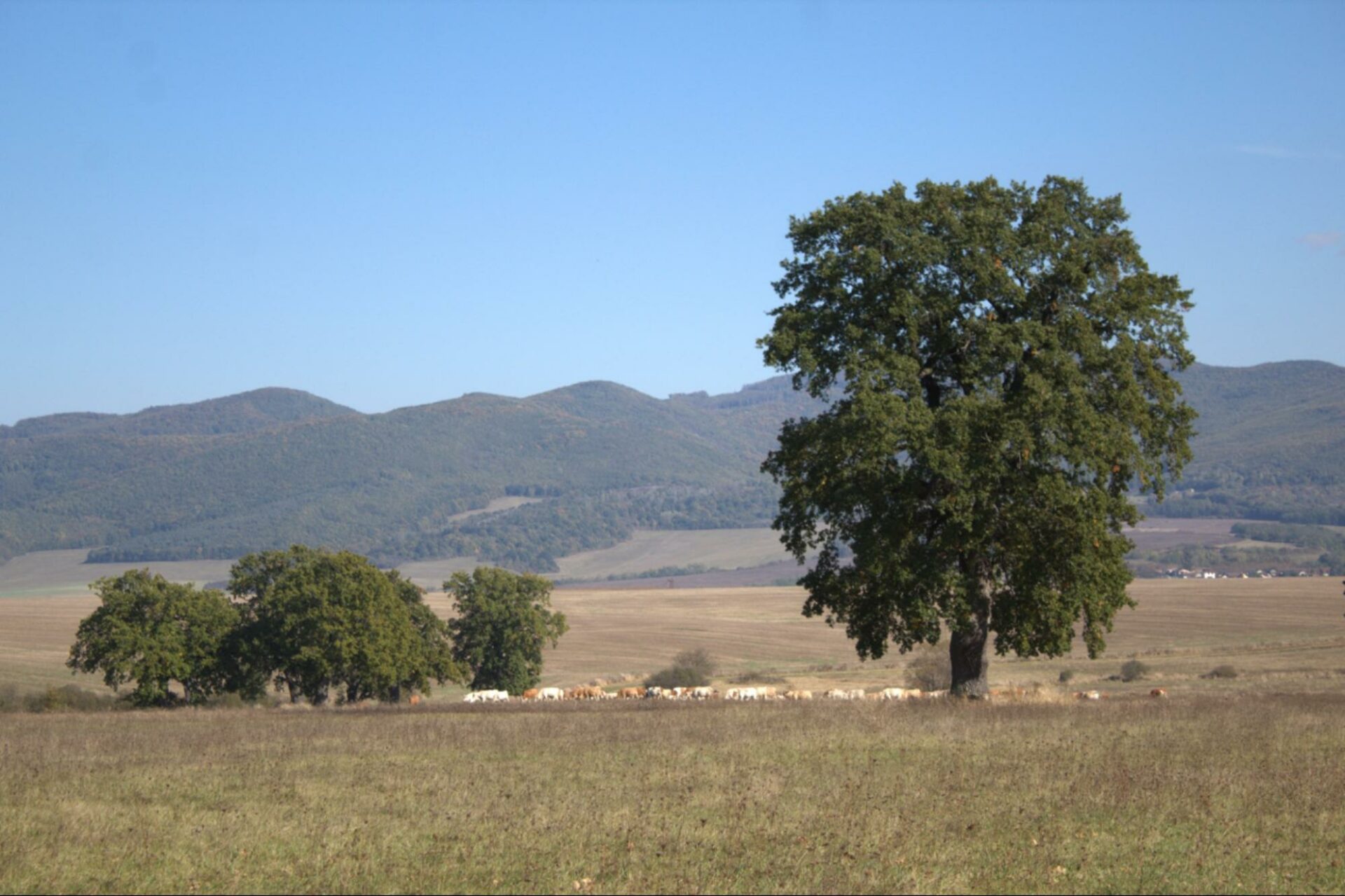
It is old because many traditional agricultural landscapes already reflect agroforestry logic: fruit trees over grassland, grazing under scattered trees, mixed production systems shaped by local knowledge and necessity. These landscapes are part of the country’s cultural heritage and ecological richness.
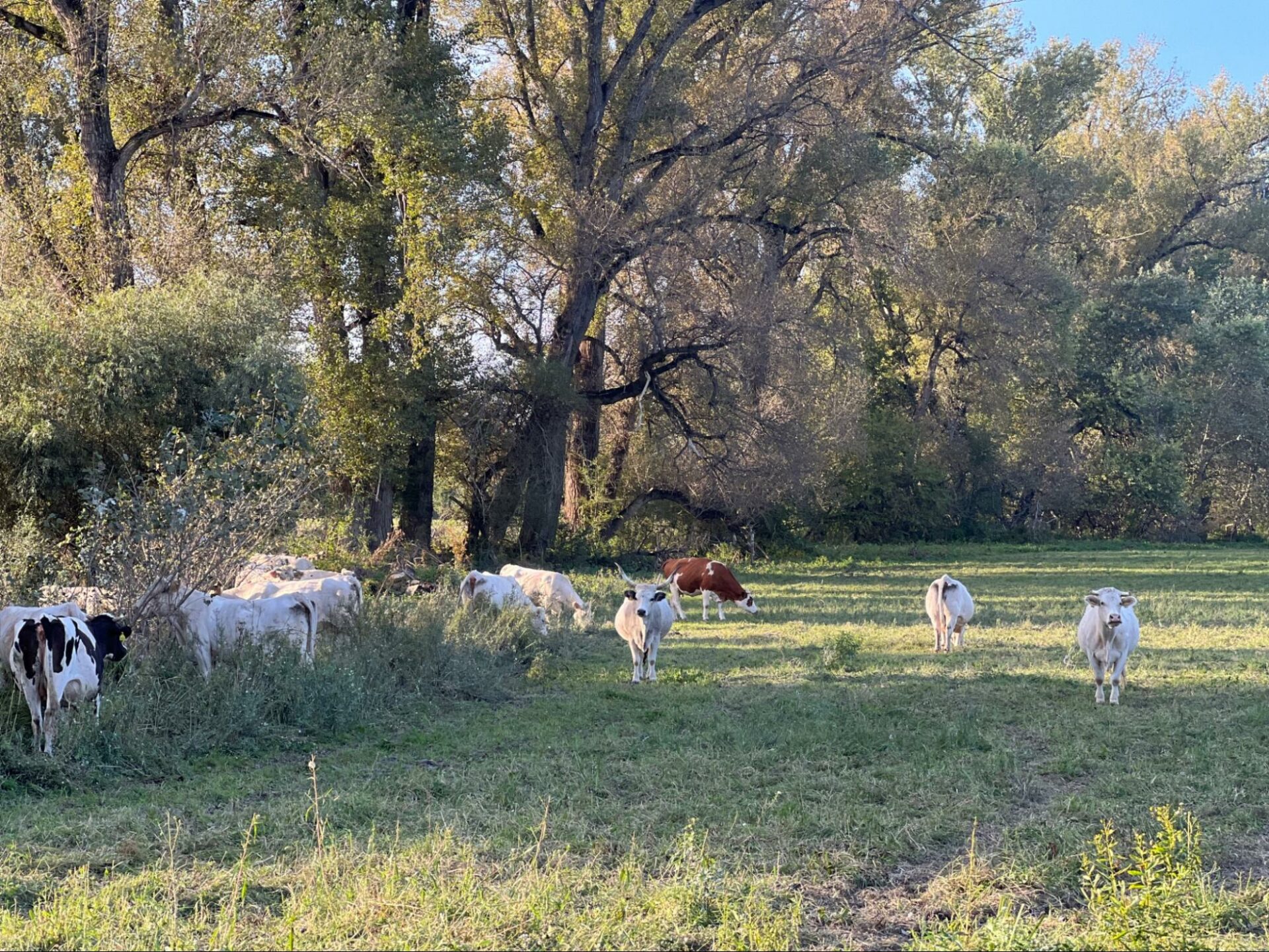
It is new because modern agroforestry in Slovakia is now being actively redesigned as a response to current challenges: climate change, drought, soil degradation, biodiversity loss and the need for more resilient farm economics. Recent research and stakeholder engagement have shown that interest is growing especially in silvopastoral and silvoarable systems, but also that farmers need clearer rules, practical guidance and room for locally adapted designs.
Research that brings the idea to life
One of the strongest signs of progress in Slovakia is that agroforestry is no longer discussed only in theory. It is being tested, observed and explained in the field.
A particularly inspiring example is the experimental work led by Peter Ferus at Arborétum Mlyňany. There, researchers are studying a regenerative agroforestry system that combines trees, lavender and arable crops. The experiment is designed not only to explore yields, but also biodiversity, soil health, water retention, carbon storage and the overall economic logic of mixed systems. Even when trees reduce the purely arable area, the total economic effect can still be higher than under conventional monocropping, while also bringing ecological benefits.
A growing community: AGROLESFEST and beyond
As agroforestry has started to gain ground in Slovakia, spaces for meeting, discussion and shared learning have become increasingly important. The first agroforestry conference was organised by the Slovak Agroforestry Association in 2021, and since then, the format has gradually evolved into a more open, festival-like event known as AGROLESFEST.
This evolution reflects the growing need for a platform that connects different actors across sectors. The first edition of AGROLESFEST, held in August 2025, was particularly significant, as it provided the setting for establishing the country’s first agroforestry Living Lab, marking an important step toward more structured collaboration between research, practice and policy.
The second edition, held on 15–17 April 2026 in Malacky, built on this foundation. What stands out about AGROLESFEST is not only its focus on agroforestry itself, but the diversity of actors it brings together. Farmers, researchers, advisors and NGOs are joined by representatives of international projects (including LIFE and Erasmus+ initiatives), as well as public institutions — most notably the Ministry of Environment, which supported the latest event.
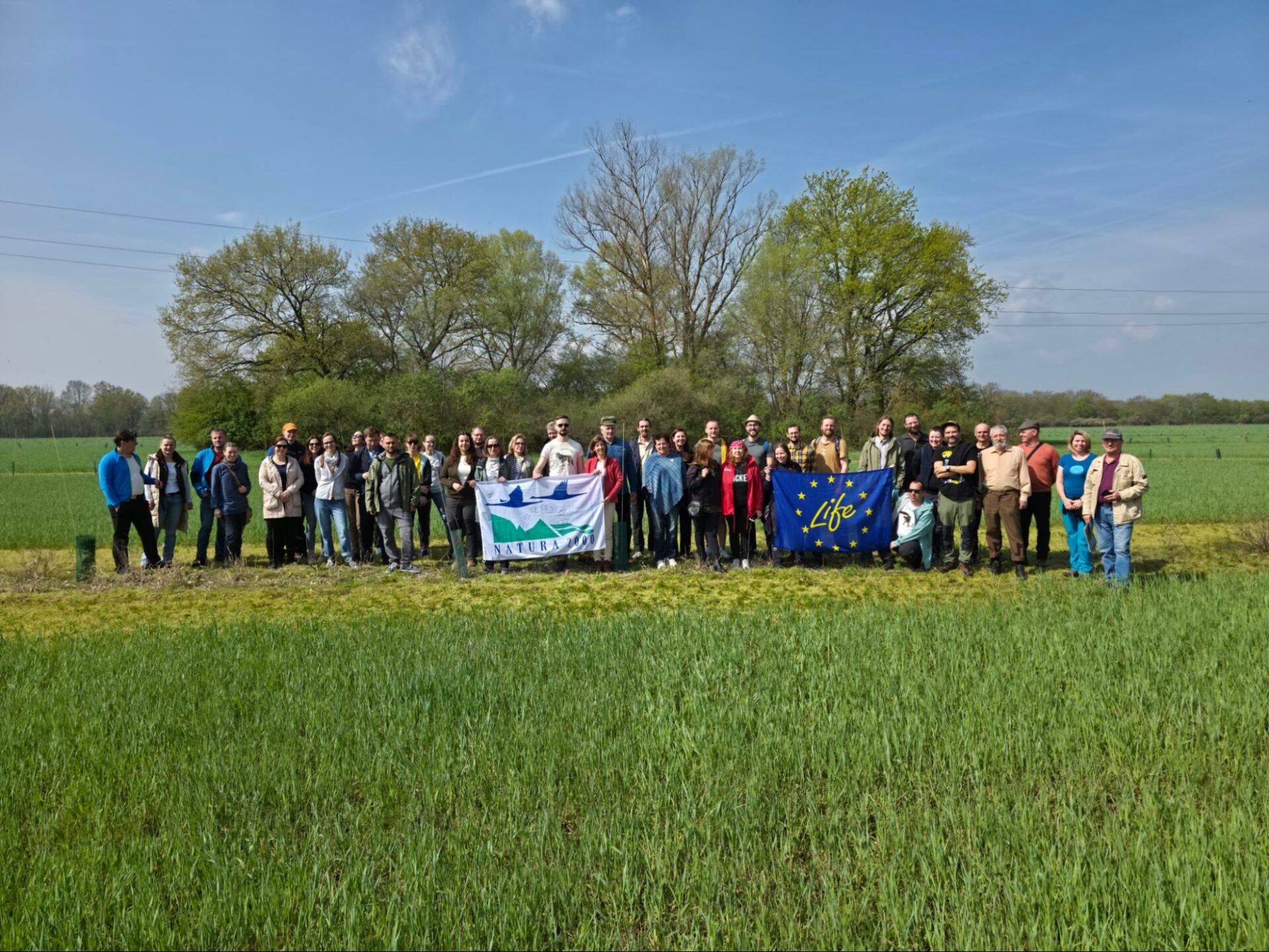
At the same time, the event is deliberately designed to be versatile, allowing different participants to find their own entry point. It combines seminars on current and increasingly advanced topics (building on previous editions rather than repeating general overviews), with field excursions, hands-on workshops, roundtable discussions, Living Lab sessions and informal networking opportunities. This variety creates space not only for knowledge sharing, but also for practical exchange and relationship building across sectors.
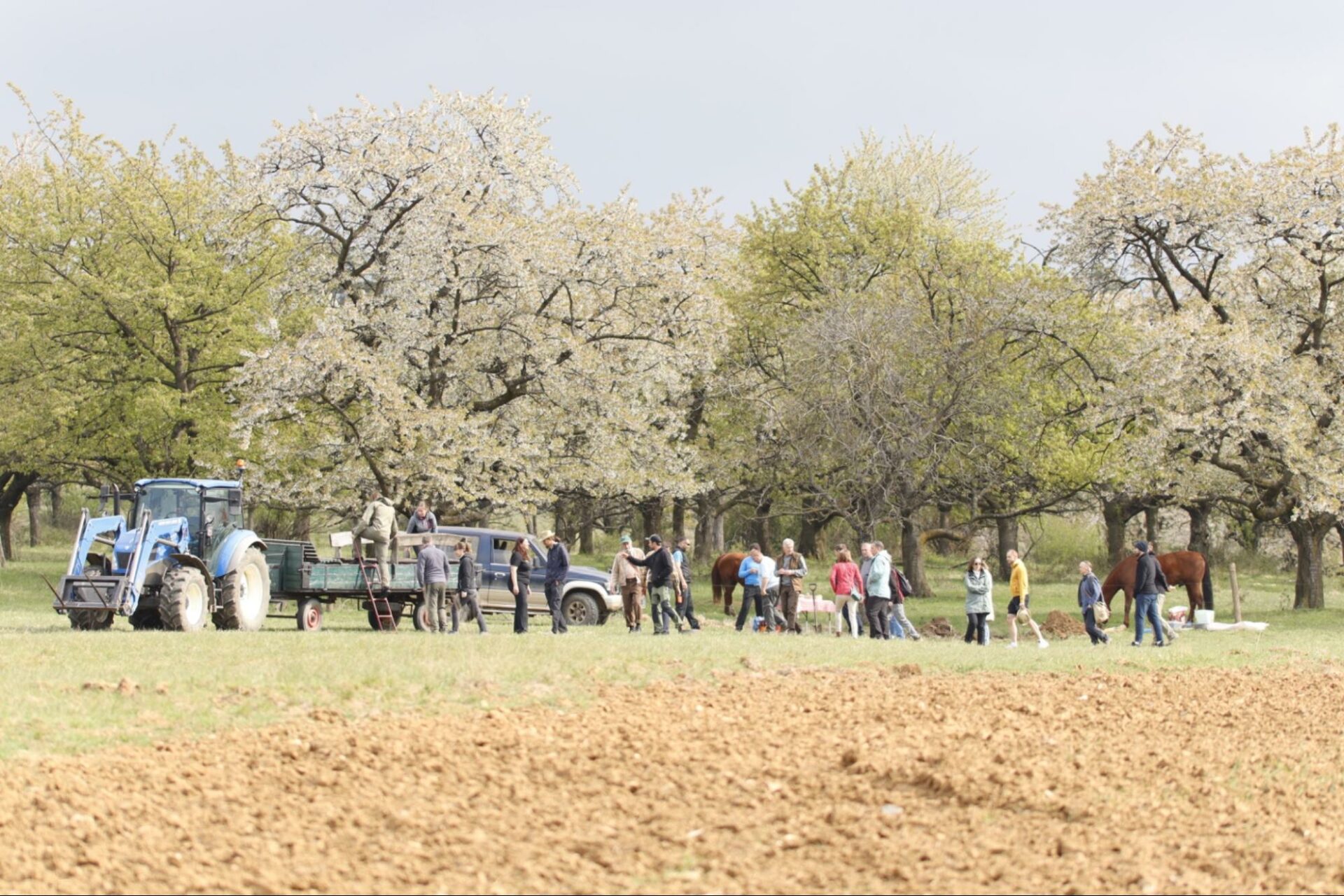
This kind of broad participation reflects the cross-sector nature of agroforestry, but it is still relatively new in the Slovak context. Bringing together actors from agriculture, forestry, environment and research in one place — and creating space for both formal discussion and informal exchange — has proven to be an important step toward building mutual understanding and cooperation.
Rather than being a one-off event, AGROLESFEST is gradually becoming part of a wider process of community building and knowledge exchange. In combination with ongoing research and policy developments, it helps create the conditions in which agroforestry can move from isolated examples toward more widespread and coordinated implementation.
The first agroforestry Living Lab in Slovakia
Another exciting development is Slovakia’s role in the EELAP project, where agroforestry is being advanced through the Living Lab approach. In this model, innovation does not stay in offices or research papers. It is built together by farmers, scientists, advisors, NGOs and public institutions in real-life conditions.
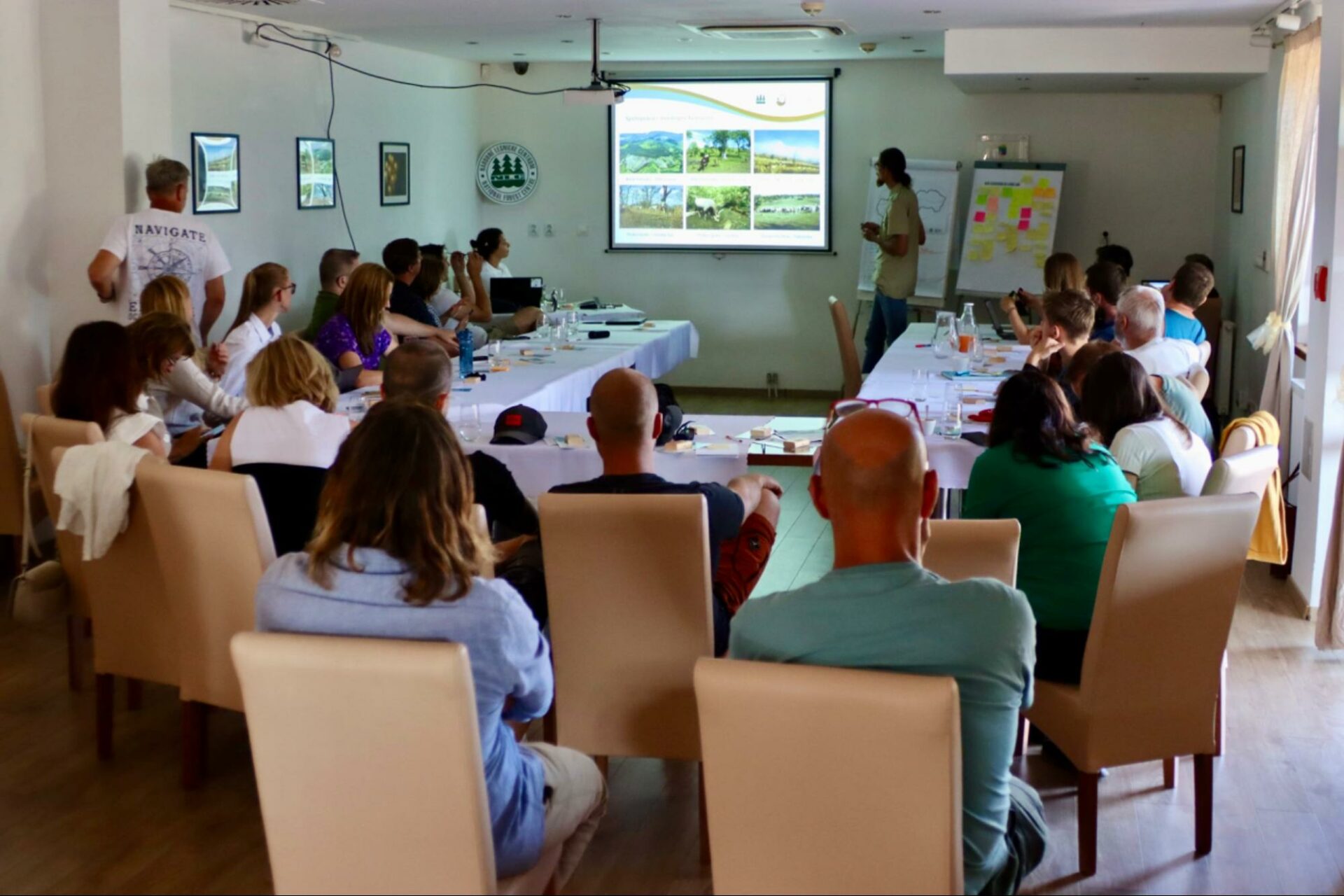
By early 2026, Slovakia’s Living Lab activity was already visibly taking shape, with stakeholder engagement, first meetings and strong momentum around AGROLESFEST. National Forest Centre communication described Living Labs as one of EELAP’s key tools for testing and spreading agroecological and agroforestry solutions directly in practice.
This makes Slovakia especially interesting within Central and Eastern Europe: it is not only discussing agroforestry, but actively building the social and institutional space needed for it to develop.
Policy progress — and what still needs work
Slovakia has moved forward fast, but the transition is not finished.
The inclusion of agroforestry in the CAP Strategic Plan was a major step, and recent legal analysis notes that the 2023–2027 period brought the first specific agroforestry interventions into the national policy framework. At the same time, researchers and stakeholders continue to point to barriers such as administrative rigidity, limited advisory capacity, uncertainty around implementation, and the need for better integration across policy instruments.
So the Slovak story is not one of “mission accomplished.” It is a story of rapid emergence: strong momentum, real achievements, and a clear need to keep improving the conditions for farmers who want to plant and manage trees as part of productive land.
Why Slovakia is worth watching
Slovakia is still in the early stages compared with some longer-established agroforestry countries, but that is exactly what makes it so interesting. It is a place where change is visible in real time: in policy, in experiments, in events, in networks and in the landscape itself.
Agroforestry in Slovakia today is best understood not as a finished system, but as a living transition — from forgotten tradition to modern practice, from isolated examples to shared learning, and from technical discussion to a broader public movement.
References
Mitrová, A. M., et al. (2025). Paradigm shift of agroforestry in Slovakia: From an unknown concept to a concrete policy support scheme in less than 5 years. Agroforestry Systems.
https://doi.org/10.1007/s10457-025-01270-0
Vitková, Z. (2026, February 13). Na experimentálnom poli sme mali o polovicu väčší výnos než tradičné poľnohospodárstvo, hovorí vedec Ferus.
https://dennikn.sk/
European Commission. (2023). CAP strategic plan of Slovakia 2023–2027.
https://agriculture.ec.europa.eu/cap-my-country/cap-strategic-plans/slovakia_en
National Forest Centre. (2025). Projekt EELAP podporuje rozvoj agroekologických postupov a agrolesníctva v Európe.
https://web.nlcsk.org/projekt-eelap-podporuje-rozvoj-agroekologickych-postupov-a-agrolesnictva-v-europe/
EELAP Project Consortium. (2024–2026). Enriching European Landscapes with Agroecological Practices (EELAP). https://euraf.net/projects/eelap/